
In today’s fast-paced world, monitoring personal fitness progress has become essential for anyone serious about health. Traditional notebooks and memory-based tracking no longer suffice. With technological advancements, apps provide a comprehensive solution to monitor workouts, measure performance, and maintain consistency. One notable option that many fitness enthusiasts and trainers pick is the Clubfit Software, which demonstrates how digital tools can simplify tracking and improve outcomes. Fitness apps make it easier to organize routines, record progress, and identify areas that need improvement. They also motivate users to stay engaged and accountable by presenting clear, measurable results. By adopting these tools, individuals can maintain a structured approach that enhances performance and overall health satisfaction.
Accurate Tracking of Progress
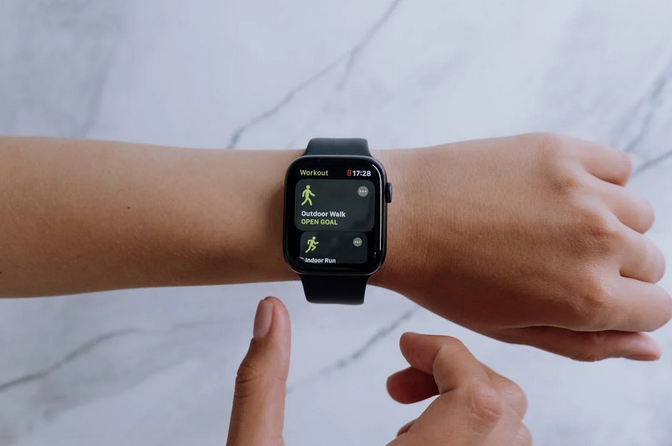
One of the primary benefits of using a fitness app is the ability to record and measure progress precisely. These tools can log activities such as cardio sessions, strength training, and flexibility exercises, providing data on duration, intensity, and calories burned. Unlike traditional methods, apps offer visual charts and graphs that make patterns easier to understand. By reviewing these trends, users can recognize improvements and identify areas needing attention. For example, tracking personal records or improvements in endurance motivates continuous effort. Additionally, most apps allow historical comparisons, helping users evaluate long-term growth rather than focusing solely on day-to-day fluctuations.
Personalized Workout Management
Fitness apps assist in organizing routines according to individual goals. Whether the aim is muscle gain, weight loss or improved stamina, these applications provide frameworks to plan sessions effectively. Users can create schedules, set reminders, and prioritize exercises without relying on memory or guesswork. This structured approach increases efficiency and lessen the risk of skipping workouts. Many apps also allow integration with wearables, ensuring heart rate, steps, and other metrics align with the intended program. Such organization helps users maintain balance between effort and recovery, enhancing overall performance while minimizing fatigue or overtraining.
Data-Driven Insights for Better Results

Fitness apps provide actionable insights by analyzing performance metrics over time. For instance, users can detect patterns in energy levels, workout efficiency, or recovery periods. This information enables informed decisions, such as adjusting intensity, changing exercises, or modifying rest days. Such analysis supports targeted improvement instead of random trial-and-error approaches. Additionally, certain apps can alert users to potential plateaus or overtraining signs, allowing proactive adjustments. By using these insights, individuals can maximize results while reducing the likelihood of injury, making workouts safer and more effective.
Enhanced Motivation and Accountability
Tracking workouts digitally adds an element of motivation that traditional methods cannot replicate. Fitness apps send reminders, celebrate milestones, and sometimes gamify achievements to maintain engagement. By seeing progress reflected in charts or streaks, users feel more encouraged to continue their routines consistently. Peer support features or community integrations within apps can also contribute to motivation, as participants share accomplishments and encourage each other. Accountability is reinforced because each session is logged, making it difficult to skip planned exercises without noticing a gap in data. This consistent recording encourages discipline and helps form sustainable habits over time.
Integration With Other Health Tools

Another advantage of using fitness apps is their ability to integrate with the other digital health tools, including wearables, nutrition trackers, and heart rate monitors. This interconnected system offers a holistic view of physical health and performance. By combining multiple data points, users gain a comprehensive perspective on how exercise, sleep, and nutrition interact to influence overall fitness. Integration simplifies the process of monitoring all aspects of health in one central location, improving convenience and accuracy. Users benefit from coordinated insights that reveal how lifestyle choices impact performance, providing guidance to optimize routines and sustain long-term health.
Using a fitness app provides numerous advantages for individuals seeking to improve performance, maintain consistency, and make informed training decisions. Apps allow accurate tracking, personalized planning, motivational support, data-driven insights, and integration with other health tools. By utilizing these features, users can better monitor progress, adjust workouts intelligently, and remain accountable to their goals. Over time, digital tracking transforms fitness routines into measurable, organized, and highly effective systems that support long-term health and performance improvements. Adopting technology in exercise practices helps cultivate sustainable habits while optimizing physical results.