
If you’ve ever pushed through one more rep and immediately regretted it, you’re not alone. Shoulder injuries are among the most frequent workout setbacks, and they can turn a good gym streak into weeks of rest. Some people even end up needing recovery aids and looking to buy hospital beds online after a bad strain. While that sounds extreme, it’s a reminder that injuries often start small before they snowball into something serious. Pain in your shoulder isn’t just “muscle burn.” It can signal inflammation, a tear, or nerve irritation. Ignoring it is like driving with your car’s check engine light on. Eventually, something gives out. Taking early action keeps you in control and shortens your road to recovery.
Why Shoulder Injuries Happen So Often
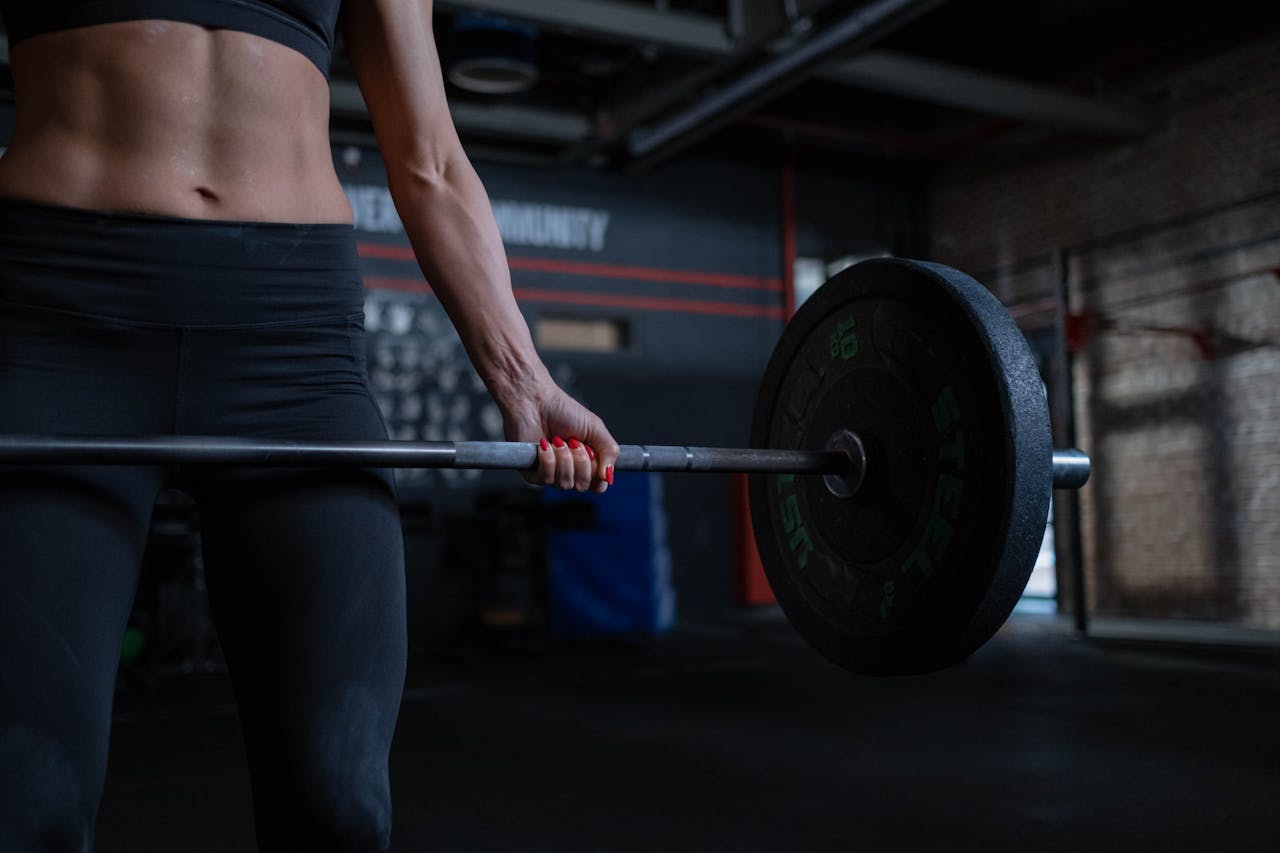 The shoulder is a complex joint that moves in almost every direction. This flexibility is great for lifting weights but terrible for stability. When form slips or muscles fatigue, that’s when injuries sneak in. Overhead presses, bench presses, and pull-ups are the usual culprits. Another big reason? Ego lifting. Adding too much weight too soon can strain tendons faster than you can say “personal best.” The smarter move is steady progress with perfect form. It’s less flashy but keeps you in the gym instead of the clinic.
Common Shoulder Injuries You Might Encounter
One of the top offenders is the rotator cuff tear. This group of muscles keeps your shoulder in place, and once injured, every movement feels like grinding gears. Then there’s shoulder impingement—when the tendons get pinched, causing sharp pain when you lift your arm. Dislocations and labrum tears are also common, especially in contact sports or heavy lifters. These injuries often come with swelling, weakness, and reduced mobility. If you can’t lift your arm without wincing, it’s time to rest and get it checked.
Treatment Options That Actually Work

Mild shoulder pain might fade with rest, ice, and gentle stretching. But persistent pain needs medical attention. Physical therapy helps rebuild strength safely while improving flexibility. Don’t underestimate how crucial proper rehab exercises are. They’re often the difference between recovery and recurrence. For more serious injuries, your doctor may recommend anti-inflammatory medication or even surgery. It sounds scary, but early treatment often leads to faster healing and fewer complications. The key is consistency. Follow your recovery plan like you’d follow a workout program.
Preventing Shoulder Injuries Before They Start
Prevention starts with awareness. Warm up with light movements before lifting, and avoid jumping into heavy weights right away. Strengthen supporting muscles like the rotator cuff and upper back to improve joint stability. It’s the quiet effort that pays off big. Proper posture matters too. Slouching at your desk all day can weaken shoulder muscles, making them more injury-prone. Keep your shoulders back, chest open, and stay mindful of your alignment even outside the gym. Your posture tells a bigger story than you think.
The Smart Way to Keep Training Safely
 If you’re returning after an injury, ease back into your routine. Start light, focus on form, and avoid movements that trigger pain. There’s no medal for rushing your recovery. Patience will take you further than brute force ever could. Listen to your body. It usually whispers before it screams. Building strength is a long game, and protecting your shoulders ensures you stay in it. Stay mindful, move smart, and your fitness journey will thank you later.