
Home » Posts tagged 'treat'
Tag Archives: treat


Shoulder Injuries in Fitness: How to Spot, Treat, and Prevent Them
If you’ve ever pushed through one more rep and immediately regretted it, you’re not alone. Shoulder injuries are among the most frequent workout setbacks, and they can turn a good gym streak into weeks of rest. Some people even end up needing recovery aids and looking to buy hospital beds online after a bad strain. While that sounds extreme, it’s a reminder that injuries often start small before they snowball into something serious. Pain in your shoulder isn’t just “muscle burn.” It can signal inflammation, a tear, or nerve irritation. Ignoring it is like driving with your car’s check engine light on. Eventually, something gives out. Taking early action keeps you in control and shortens your road to recovery.
Why Shoulder Injuries Happen So Often
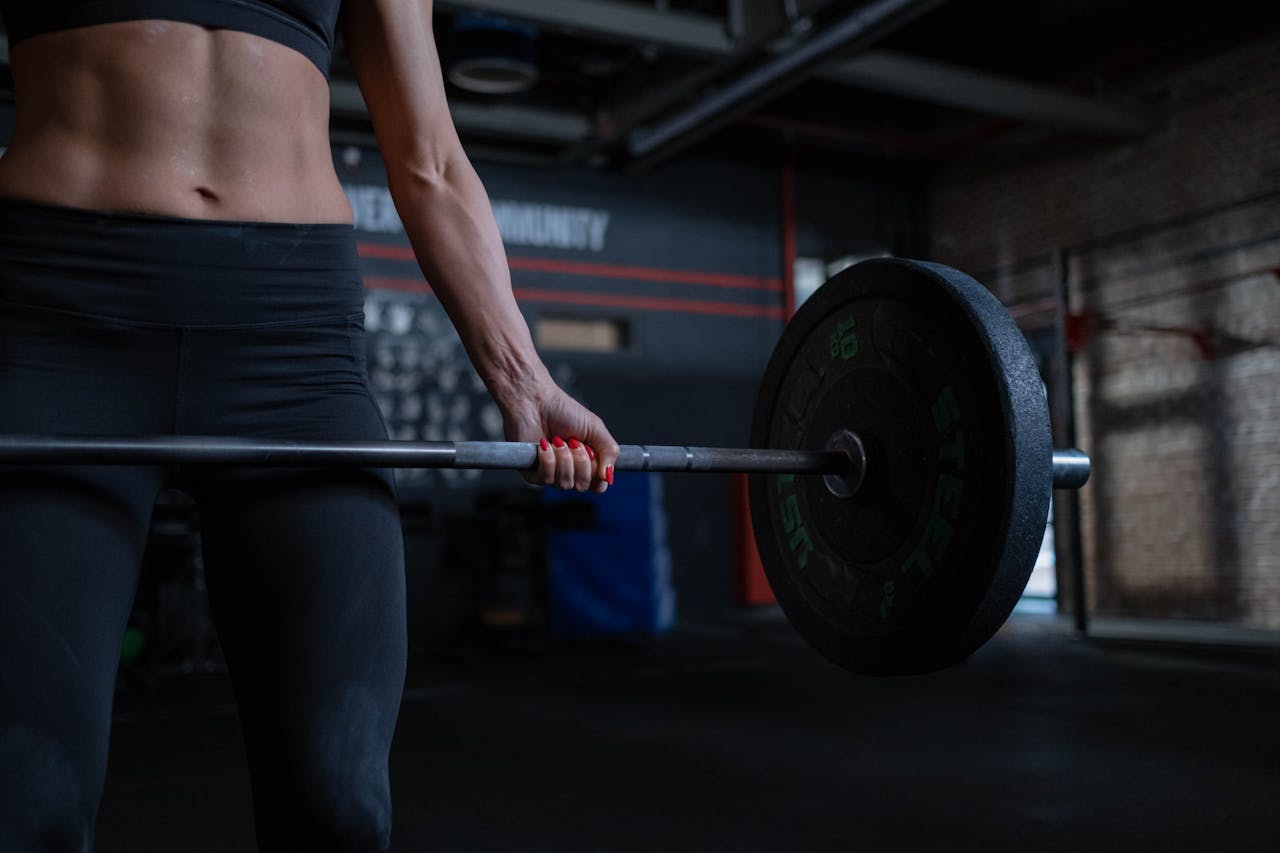 The shoulder is a complex joint that moves in almost every direction. This flexibility is great for lifting weights but terrible for stability. When form slips or muscles fatigue, that’s when injuries sneak in. Overhead presses, bench presses, and pull-ups are the usual culprits. Another big reason? Ego lifting. Adding too much weight too soon can strain tendons faster than you can say “personal best.” The smarter move is steady progress with perfect form. It’s less flashy but keeps you in the gym instead of the clinic.
Common Shoulder Injuries You Might Encounter
One of the top offenders is the rotator cuff tear. This group of muscles keeps your shoulder in place, and once injured, every movement feels like grinding gears. Then there’s shoulder impingement—when the tendons get pinched, causing sharp pain when you lift your arm. Dislocations and labrum tears are also common, especially in contact sports or heavy lifters. These injuries often come with swelling, weakness, and reduced mobility. If you can’t lift your arm without wincing, it’s time to rest and get it checked.
Treatment Options That Actually Work

Mild shoulder pain might fade with rest, ice, and gentle stretching. But persistent pain needs medical attention. Physical therapy helps rebuild strength safely while improving flexibility. Don’t underestimate how crucial proper rehab exercises are. They’re often the difference between recovery and recurrence. For more serious injuries, your doctor may recommend anti-inflammatory medication or even surgery. It sounds scary, but early treatment often leads to faster healing and fewer complications. The key is consistency. Follow your recovery plan like you’d follow a workout program.
Preventing Shoulder Injuries Before They Start
Prevention starts with awareness. Warm up with light movements before lifting, and avoid jumping into heavy weights right away. Strengthen supporting muscles like the rotator cuff and upper back to improve joint stability. It’s the quiet effort that pays off big. Proper posture matters too. Slouching at your desk all day can weaken shoulder muscles, making them more injury-prone. Keep your shoulders back, chest open, and stay mindful of your alignment even outside the gym. Your posture tells a bigger story than you think.
The Smart Way to Keep Training Safely
 If you’re returning after an injury, ease back into your routine. Start light, focus on form, and avoid movements that trigger pain. There’s no medal for rushing your recovery. Patience will take you further than brute force ever could. Listen to your body. It usually whispers before it screams. Building strength is a long game, and protecting your shoulders ensures you stay in it. Stay mindful, move smart, and your fitness journey will thank you later.…
Cheat Day Done Right: A Pleasant Break That Still Moves You Forward
Cheat day gets a bad rap, yet it can be a pressure valve that keeps you consistent. Think of it as a planned detour, not a food hurricane. In this plan, you’ll see how to enjoy the treats while keeping progress humming, with a nod to the nutritional habits of dedicated athletes. No fluff, just working advice you can use this weekend.
What a Cheat Day Really Does
First, the mental side. A scheduled indulgence lowers “diet fatigue,” which trims the chance of a late-night free-for-all. That pause keeps motivation intact and makes Monday easier to face. Consistency wins, and a calm mind helps you stick with the basics. Now the body. A brief bump in calories and carbs can refill glycogen and perk up training. That benefit appears most in people who have been in a steady deficit. It’s a small, useful nudge—nothing mystical or unique.
Timing and Portion Rules That Work

Place the treat window on a hard training day, or the day after one. Start earlier in the day so appetite hormones don’t run the show at midnight. Keep protein high at each meal to blunt hunger and protect muscle. Use a plate rule to stop the “eyes bigger than stomach” effect. Half the plate fun carbs, a quarter lean protein, a quarter produce, plus a small extra you truly crave. Eat seated, phone down, with water nearby to help pacing and digestion. This simple structure helps ensure you stop at satisfied, not stuffed.
Smart Picks That Still Feel Naughty
Anchor each treat with protein. Examples that play nice with recovery: a burger with lean beef and a real bun, thin-crust pizza with chicken and veggies, sushi with extra sashimi, and pancakes topped with Greek yogurt and fruit. These choices taste like a party and still feed tomorrow’s workout. Dessert strategy matters. Go for single-serve items, or split big portions. Add volume with berries or a small scoop of frozen yogurt to stretch satisfaction.
Signs Your Cheat Day Is Backfiring

You wake puffy, sleep went sideways, or your morning heart rate spikes. You feel ravenous the next day and keep chasing sugar. Those are red flags to shrink the window, raise protein, and add more produce to the plate. Another clue: the scale jumps more than expected and stays high for more than two days. That suggests too much sodium and too little structure. Tighten portions next time, and consider swapping one big blowout for two smaller “treat meals.” For extra inspiration, compare your plan with what bodybuilders eat in a day and borrow the parts that fit your life.
Reset and Carry On
End the day with a normal, protein-forward dinner. Hydrate, walk 10–20 minutes, and prep breakfast for tomorrow so momentum returns by breakfast time. Progress is an average, not a single meal. Keep notes for two or three cycles. Track sleep, workout quality, hunger, and mood. That’s how you turn a treat into a tool.…
Various Conditions That Physiotherapy Can Treat
TahtWhile most people are used to treating various conditions by using drugs, surgical operations, and such methods, there is another way referred to as physiotherapy. It involves such techniques as using hands to manipulate as well as massage the various tissues of the body.
In addition, people with other problems like sports injuries, respiratory issues, arthritis, and others can rely on physical therapy to get relief and get better.
Below are some of the conditions that be treated using physiotherapy:
Respiratory Problems
 People with various respiratory problems can rely on physiotherapy for treatment. Some of the respiratory issues include cystic fibrosis, which significantly affects the lungs and the digestive system.
The physical therapy experts can use special exercises to bring about better breathing, to ensure pain is maintained in control, and promote better posture. Also, physiotherapy could be used to treat such issues as pneumonia and asthma.
Accidents
 People suffer from injuries resulting from different types of accidents, for example, slip-and-fall, auto accidents, and many others. Fortunately, such people who are victims of various mishaps can significantly benefit from rehabilitation because it can be helpful to get them on their feet once more.
When recovering from an accident, the beauty of physical therapy is that they have the proper training to develop and execute pulmonary and cardiac programs. These programs help to boost muscular strength, to improve circulation and enhance the general mobility.
Muscle Aches
 Many people across the globe experience muscle aches that affect various body parts. This may affect the patient’s quality of life and even interfere with the performance of their day-to-day activities. Luckily, people with muscle aches can benefit from physiotherapy since it can help reduce stiffness, lessen pain, and soothe the muscle by stimulating proper circulation.
Sports Injuries
The same way non-athletes are at the risk of sprains and strains, athletes also suffer them and even tend to get them more because of their strenuous efforts. Fortunately, sports persons who get injuries can get a massive relief from physical therapy because the specialists advise on the best workouts. They may also brace or tape the body areas with problems and even conduct ice therapy to assist the athletes in recovering fully.…