
Marine-based supplements have gained attention for their potential health benefits. The processing form used for marine extract supplements can significantly influence purity, potency, and how the body absorbs key nutrients. Raw extracts are often valued in supplement formulations for minimal processing, while refined products aim to remove impurities and standardize concentrations. These differences raise important discussions around quality concerns in marine extract supplements, especially for consumers trying to make informed choices. Factors such as sourcing, processing methods, and testing standards all play a role in determining final supplement quality. Understanding how raw and refined marine extracts differ helps set realistic expectations and leads to a deeper look at which option may be more suitable for specific health goals.
How Raw Marine Extracts Are Processed
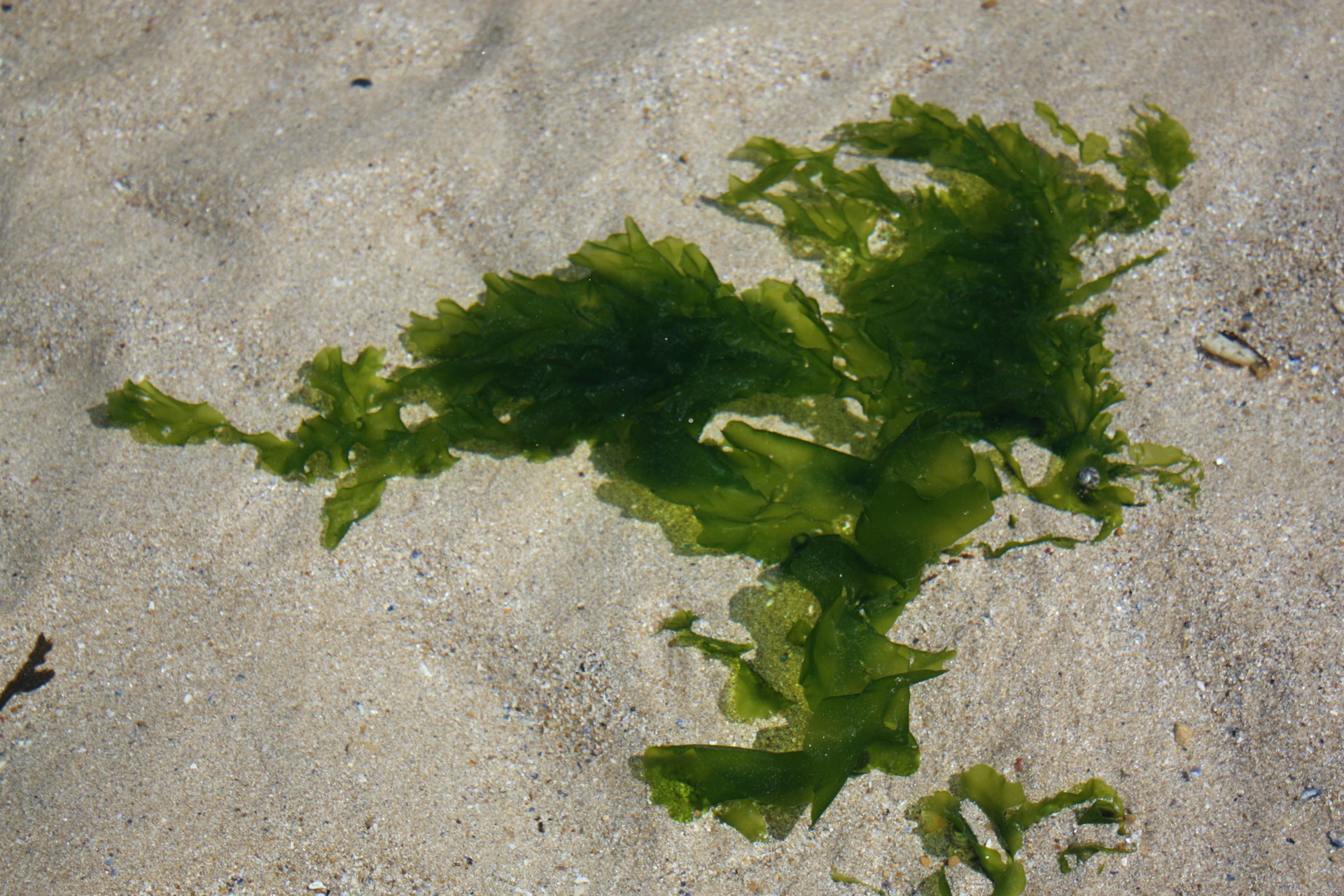
Raw marine extracts used in supplements are minimally processed and retain a broader range of naturally occurring compounds. This often includes proteins, fatty acids, minerals, and trace elements that exist together in their original ratios. Because the structure remains closer to the source material, the body may recognize and process these compounds more naturally. However, raw extract supplements can vary from batch to batch due to differences in sourcing and seasonal conditions. This variability may affect potency and taste. Some users value raw marine supplements for their whole-source profile, while others find the inconsistency harder to manage in long-term supplementation routines.
What Refined Marine Products Focus On
Refined marine supplements go through additional steps to isolate specific nutrients or remove unwanted elements. This process allows manufacturers to deliver standardized concentrations, improving consistency across supplement doses. Refinement can reduce odor, improve shelf stability, and make products easier to incorporate into capsules or powders. However, isolating components may remove supportive compounds that naturally occur together in raw sources. Refined marine supplements are often chosen for precision and predictability rather than full-spectrum nutrition. For consumers who prefer measured intake and cleaner formulations, refined options can feel more controlled and easier to track.
Absorption and Practical Use Differences

The way the body absorbs raw versus refined marine supplements can differ based on formulation. Raw extract supplements may offer slower, more gradual absorption due to their complex structure. Refined supplements often absorb faster because they are simplified and concentrated. This can influence how they fit into daily routines. Raw marine supplements may appeal to users looking for broader nutritional support, while refined options suit more targeted goals. Neither approach is universally better. The difference lies in how the supplement aligns with personal preferences, sensitivity, and consistency needs rather than one being inherently superior.
The difference between raw marine extracts and refined products in supplements comes down to processing, consistency, and user intent. Raw extract supplements preserve a wider range of natural compounds but can vary in strength and experience. Refined marine supplements offer controlled composition and predictable dosing at the cost of broader nutritional complexity. Choosing between them depends on whether someone values whole-source intake or precision-focused supplementation. By understanding how each type of marine supplement is produced and absorbed, consumers can make choices that better match their routines and expectations. Clear knowledge removes guesswork and supports more confident decisions in marine-based nutrition.