
Bladder health is an important aspect of overall well-being, especially as people age, yet it’s often overlooked until problems arise. From frequent urges to incontinence, bladder issues can affect confidence, comfort, and quality of life. According to insights from 50 Plus, simple lifestyle adjustments such as staying hydrated, strengthening pelvic muscles, and avoiding bladder irritants can make a significant difference in maintaining control and function. Incorporating these habits consistently not only supports better urinary health but also reduces the risk of long-term complications. Understanding how to care for your bladder can empower individuals to take proactive steps toward a healthier, more independent lifestyle.
Staying Hydrated with Balance
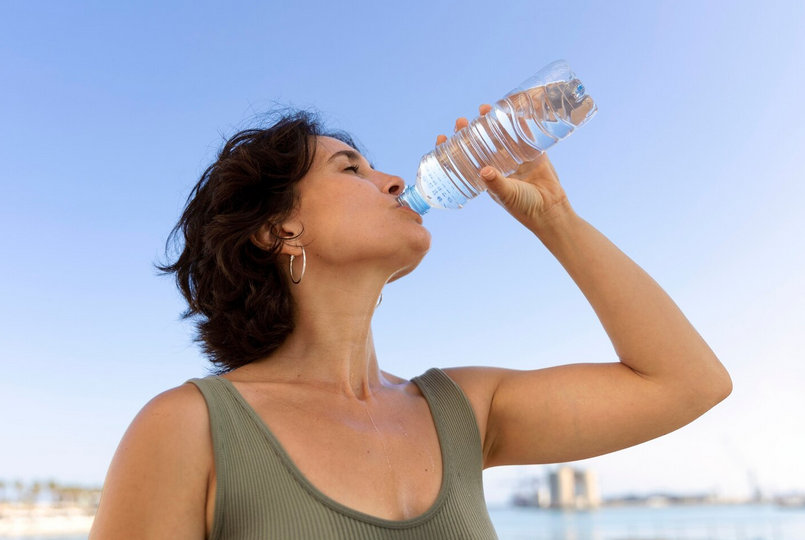 Proper hydration is key to bladder function. Many people mistakenly cut back on fluids to reduce bathroom visits, but dehydration can actually irritate the bladder and worsen symptoms. Drinking enough water throughout the day keeps urine diluted, reducing the risk of infection and irritation. However, it’s important to avoid overconsumption and to limit beverages that can aggravate the bladder, such as caffeine, alcohol, and carbonated drinks. Striking the right balance supports both hydration and bladder control.
Practicing Pelvic Floor Exercises
Strengthening the pelvic floor muscles is one of the most effective ways to support bladder health. Exercises like Kegels improve muscle control, reduce leakage, and help the bladder empty more efficiently. Consistency is essential, as regular practice leads to noticeable improvements in bladder strength and function over time. These exercises can be done discreetly, making them an accessible option for anyone seeking better bladder control.
Maintaining a Healthy Diet
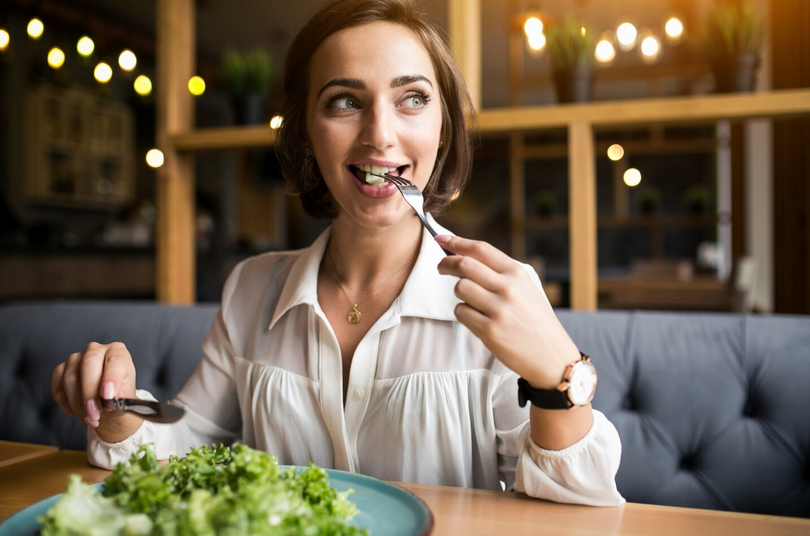
Diet plays an important role in bladder health. Foods that are overly spicy, acidic, or processed can irritate the bladder lining and trigger urgency or discomfort. A balanced diet rich in fruits, vegetables, and whole grains supports overall urinary health. Fiber intake is especially important, as constipation can place added pressure on the bladder, leading to dysfunction. By making mindful dietary choices, individuals can reduce triggers and promote better bladder performance.
Training the Bladder
Bladder training involves setting a schedule for bathroom visits to gradually increase the time between urination. This technique helps the bladder hold more urine comfortably and reduces the urge to go too frequently. It requires patience and consistency, but over time, it can significantly improve bladder control. Pairing bladder training with relaxation techniques may further help reduce urgency and anxiety around bathroom use.
Managing Weight and Physical Health
 Excess body weight can place extra pressure on the bladder and pelvic floor muscles, contributing to leakage and urgency. Regular physical activity and healthy weight management help reduce this pressure and improve bladder control. In addition, avoiding habits like smoking can reduce coughing-related strain on the bladder, while addressing chronic conditions such as diabetes can minimize bladder complications.
Improving bladder function requires a combination of healthy habits, muscle strengthening, and mindful routines. By staying hydrated, practicing pelvic floor exercises, eating a balanced diet, training the bladder, and maintaining overall physical health, individuals can enhance bladder performance and reduce discomfort. These strategies not only support daily comfort but also promote long-term urinary health and overall well-being.