
Home » Health
Category Archives: Health


Understanding Anxiety: Symptoms, Triggers, and Solutions
Anxiety is a common mental health issue affecting millions worldwide. It is more than occasional stress or worry. Anxiety can interfere with daily life, relationships, and overall well-being. Understanding its symptoms, triggers, and solutions is essential for managing it effectively. Incorporating practices like journaling can help individuals process emotions, recognize patterns, and gain clarity. If you want to know more about the mental health benefits of journaling, just keep on reading. By gaining insight into anxiety, individuals can take steps to reduce its impact and improve mental health.
What Is Anxiety?
Anxiety is the body’s natural response to stress. It can manifest as worry, tension, or fear about future events. While occasional anxiety is normal, persistent or intense feelings may indicate an anxiety disorder. Recognizing the difference between everyday stress and chronic anxiety is the first step toward managing it.
Common Symptoms of Anxiety
Anxiety affects both the mind and body. Mental symptoms include excessive worry, restlessness, difficulty concentrating, and irritability. Physical symptoms may involve a racing heart, shortness of breath, muscle tension, and fatigue. Some individuals may also experience sleep disturbances or digestive issues. Symptoms vary in intensity but can disrupt daily routines.
Common Triggers of Anxiety
Triggers for anxiety are diverse and often unique to each person. Stressful life events, such as job pressure, relationship challenges, or financial concerns, are common triggers. Environmental factors, like noise or crowded spaces, may also contribute. Additionally, certain health conditions or medications can increase susceptibility to this condition. Identifying triggers helps in creating strategies to manage anxiety effectively.
How Lifestyle Impacts Anxiety

Lifestyle choices significantly affect anxiety levels. Poor sleep, unhealthy diets, and lack of physical activity can intensify symptoms. Conversely, regular exercise, balanced nutrition, and sufficient rest support mental stability. Maintaining a healthy lifestyle can reduce the frequency and severity. Small, consistent changes can make a noticeable difference over time.
Coping Strategies for Anxiety
Several coping strategies help manage anxiety daily. Mindfulness techniques, such as meditation or deep breathing exercises, promote relaxation. Journaling thoughts and feelings provides clarity and emotional release. Engaging in hobbies, spending time in nature, or practicing creative activities can distract the mind from anxious thoughts. Consistently using these techniques strengthens resilience.
Professional Treatment Options
When anxiety significantly affects life, professional treatment may be necessary. Therapy options, such as cognitive-behavioral therapy (CBT), help individuals identify and change negative thought patterns. Medications can also be prescribed to balance brain chemistry in more severe cases. Consulting a mental health professional ensures a tailored approach to individual needs.
Support Systems and Community

A strong support system plays a critical role in managing anxiety. Friends, family, or support groups provide understanding, encouragement, and practical advice. Sharing experiences reduces feelings of isolation and helps normalize mental health challenges. Engaging with a supportive community creates a sense of connection, which can uniquely reduce anxiety symptoms.
Long-Term Management and Prevention
Managing anxiety is an ongoing process. Developing awareness of personal triggers, maintaining healthy routines, and practicing coping strategies can prevent symptoms from escalating. Long-term management also involves seeking help when necessary and regularly reviewing mental health practices. Over time, consistent attention to mental well-being ensures improved resilience and a higher quality of life.
Anxiety is a complex condition that affects both mind and body. Recognizing symptoms, identifying triggers, and applying effective solutions are essential for managing it successfully. Lifestyle adjustments, coping techniques, professional treatment, and support systems all contribute to long-term mental health. By understanding anxiety and taking proactive steps, individuals can regain control, reduce stress, and improve overall well-being.…
The Difference Between Raw Marine Extracts and Refined Products in Supplements
Marine-based supplements have gained attention for their potential health benefits. The processing form used for marine extract supplements can significantly influence purity, potency, and how the body absorbs key nutrients. Raw extracts are often valued in supplement formulations for minimal processing, while refined products aim to remove impurities and standardize concentrations. These differences raise important discussions around quality concerns in marine extract supplements, especially for consumers trying to make informed choices. Factors such as sourcing, processing methods, and testing standards all play a role in determining final supplement quality. Understanding how raw and refined marine extracts differ helps set realistic expectations and leads to a deeper look at which option may be more suitable for specific health goals.
How Raw Marine Extracts Are Processed

Raw marine extracts used in supplements are minimally processed and retain a broader range of naturally occurring compounds. This often includes proteins, fatty acids, minerals, and trace elements that exist together in their original ratios. Because the structure remains closer to the source material, the body may recognize and process these compounds more naturally. However, raw extract supplements can vary from batch to batch due to differences in sourcing and seasonal conditions. This variability may affect potency and taste. Some users value raw marine supplements for their whole-source profile, while others find the inconsistency harder to manage in long-term supplementation routines.
What Refined Marine Products Focus On
Refined marine supplements go through additional steps to isolate specific nutrients or remove unwanted elements. This process allows manufacturers to deliver standardized concentrations, improving consistency across supplement doses. Refinement can reduce odor, improve shelf stability, and make products easier to incorporate into capsules or powders. However, isolating components may remove supportive compounds that naturally occur together in raw sources. Refined marine supplements are often chosen for precision and predictability rather than full-spectrum nutrition. For consumers who prefer measured intake and cleaner formulations, refined options can feel more controlled and easier to track.
Absorption and Practical Use Differences

The way the body absorbs raw versus refined marine supplements can differ based on formulation. Raw extract supplements may offer slower, more gradual absorption due to their complex structure. Refined supplements often absorb faster because they are simplified and concentrated. This can influence how they fit into daily routines. Raw marine supplements may appeal to users looking for broader nutritional support, while refined options suit more targeted goals. Neither approach is universally better. The difference lies in how the supplement aligns with personal preferences, sensitivity, and consistency needs rather than one being inherently superior.
The difference between raw marine extracts and refined products in supplements comes down to processing, consistency, and user intent. Raw extract supplements preserve a wider range of natural compounds but can vary in strength and experience. Refined marine supplements offer controlled composition and predictable dosing at the cost of broader nutritional complexity. Choosing between them depends on whether someone values whole-source intake or precision-focused supplementation. By understanding how each type of marine supplement is produced and absorbed, consumers can make choices that better match their routines and expectations. Clear knowledge removes guesswork and supports more confident decisions in marine-based nutrition.…
Dental Veneers vs Teeth Whitening: Which One Is Right for Your Smile?
A brighter smile often feels like a fast pass to confidence, yet choosing the right cosmetic option can feel oddly stressful. For that, you can see location to find the best dentist for your choice. See, dental veneers and teeth whitening are two popular treatments that often get lumped together, even though they work in very different ways. Learn more about it here.
What Teeth Whitening Really Does
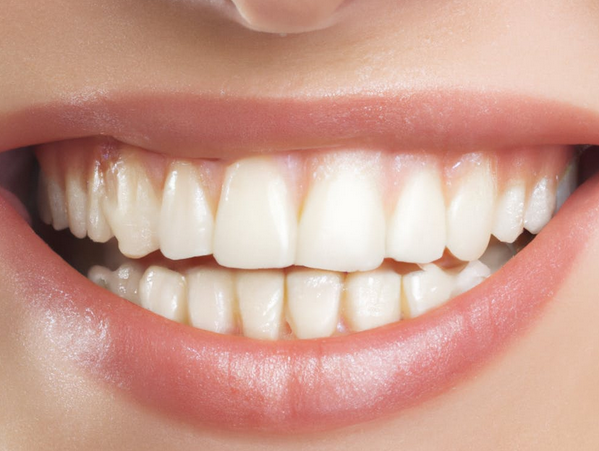
Teeth whitening is all about lifting stains that sit within the enamel. Coffee, tea, red wine, smoking, and age are common culprits that slowly dull your smile over time. Whitening treatments break down these stains and lighten the tooth colour without changing the tooth itself. This option is popular because it is quick and relatively simple. In-office whitening can show visible results in a single visit, which feels great before a wedding or big meeting. The downside is that results are not permanent, especially if daily habits stay the same. Sensitivity can also pop up for a short while, though it usually settles quickly.
How Dental Veneers Change More Than Colour
Dental veneers go far beyond shade improvement. These thin shells sit on the front of the teeth and can correct chips, gaps, uneven lengths, and stubborn discolouration. Veneers give dentists more control over the final look, which is why many dramatic smile makeovers use them. They offer consistency that whitening alone cannot achieve. The process does take more time and planning. A small amount of enamel is often removed so the veneers sit naturally, which makes this a long-term decision. The benefit is durability, as veneers can last many years with proper care. For people unhappy with shape as well as colour, veneers often feel like a fresh start.
Cost, Time, and Commitment Compared

Whitening is usually the more budget-friendly option. Appointments are shorter, and the commitment level is lower, which appeals to first-time cosmetic patients. If you change your mind later, nothing permanent has been altered. That flexibility gives whitening an edge for cautious decision-makers. Veneers require a higher financial and time investment. Several appointments may be needed, and the preparation phase demands careful consideration. Once placed, veneers become part of your smile story for years. For many people, the stability and visual balance justify the extra effort.
Which Option Fits Your Smile Goals
Your current teeth play a big role in this choice. If your teeth are straight and healthy but look dull, whitening often does the job nicely. Even a few shades lighter can change how your whole face appears. Sometimes less really is more. Veneers suit people dealing with multiple cosmetic concerns at once. Uneven edges, worn enamel, or visible gaps often respond better to veneers than whitening. This option is less about subtle improvement and more about control and uniformity. It appeals to those who want reliable results every time they smile.
Why a Dentist’s Opinion Matters

Online advice can be helpful, but it has limits. Dentists look at enamel thickness, gum health, and bite alignment before suggesting cosmetic treatments. What seems like a simple colour issue could actually involve surface damage or enamel wear. That professional insight can save time, money, and disappointment. In the end, veneers and whitening are tools, not magic tricks. One refreshes what you already have, while the other reshapes the picture entirely. The better option depends on your smile, your comfort with change, and your long-term goals. When those pieces line up, the result usually feels natural, confident, and worth it.…
Why Hip Stability Plays the Biggest Role in Injury-Free Running
Hip stability is often overlooked, yet it is one of the most critical factors in preventing injuries and improving overall running performance. Weak or imbalanced hip muscles can lead to strain in the knees, lower back, and ankles, even for experienced runners. Many athletes turn to expert resources, such as the Runner’s Blueprint guide to optimizing your training without overexertion, to understand how to strengthen key muscle groups while maintaining safe mileage. By focusing on proper alignment, controlled movement, and targeted exercises, runners can protect their joints and enhance efficiency. This article explores why hip stability is essential and how to incorporate it effectively into your training routine.
How Hip Stability Influences Running Mechanics
Stable hips allow for smoother, more controlled leg motion, which reduces strain on knees and ankles. Each step relies on the hips to maintain alignment, especially at footstrike. If the gluteal muscles and surrounding stabilizers are weak, other muscles overcompensate, leading to imbalances that can cause overuse injuries. Proper hip function also contributes to better posture and stride efficiency, letting runners cover distance with less effort. When hip muscles are strong, the pelvis remains level during movement, minimizing side-to-side sway that can stress ligaments, tendons, and connective tissues.
Common Problems from Weak Hip Stability

Runners with weak hips often experience recurring injuries such as runner’s knee, IT band syndrome, or Achilles strain. These issues develop because misalignment causes repetitive stress in vulnerable areas. Pain may appear gradually or after longer runs, making it easy to underestimate the root cause. Weak hips can also reduce stride length and power, leading to inefficient energy use and quicker fatigue. Addressing hip stability is preventative; it strengthens supporting muscles before problems arise and enhances overall running mechanics, allowing consistent mileage without the interruptions of avoidable injuries.
Training for Stability
Improving hip stability requires a combination of targeted exercises and functional movement practices. Side-lying leg lifts, clamshells, and single-leg bridges strengthen the glutes, while planks and hip rotations enhance core control. Incorporating balance drills on one leg or using resistance bands during warm-ups also trains muscles to stabilize dynamically. Regular stretching keeps the hip flexors flexible, preventing tightness that limits range of motion. Integrating these exercises into a running routine ensures the hips are prepared to handle repeated impact, protecting joints and supporting smoother strides.
Hip stability is central to injury-free running because it governs alignment, balance, and force distribution. Strong, engaged hip muscles prevent compensations that lead to knee, ankle, or back injuries while improving stride efficiency and endurance. Weak hips increase the risk of overuse injuries, fatigue, and inefficient movement patterns. By prioritizing targeted strength and balance exercises, runners create a foundation that protects the body, enhances performance, and allows consistent, sustainable training. For anyone aiming to run safely and effectively, hip stability is not optional—it is essential.…
Benefits of Using a Fitness App to Track Your Performance
In today’s fast-paced world, monitoring personal fitness progress has become essential for anyone serious about health. Traditional notebooks and memory-based tracking no longer suffice. With technological advancements, apps provide a comprehensive solution to monitor workouts, measure performance, and maintain consistency. One notable option that many fitness enthusiasts and trainers pick is the Clubfit Software, which demonstrates how digital tools can simplify tracking and improve outcomes. Fitness apps make it easier to organize routines, record progress, and identify areas that need improvement. They also motivate users to stay engaged and accountable by presenting clear, measurable results. By adopting these tools, individuals can maintain a structured approach that enhances performance and overall health satisfaction.
Accurate Tracking of Progress
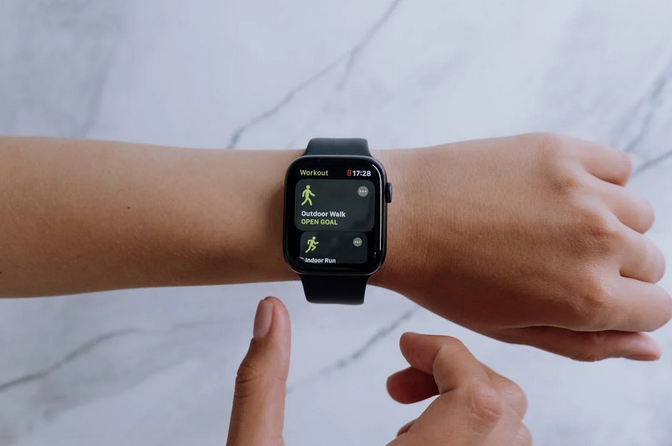
One of the primary benefits of using a fitness app is the ability to record and measure progress precisely. These tools can log activities such as cardio sessions, strength training, and flexibility exercises, providing data on duration, intensity, and calories burned. Unlike traditional methods, apps offer visual charts and graphs that make patterns easier to understand. By reviewing these trends, users can recognize improvements and identify areas needing attention. For example, tracking personal records or improvements in endurance motivates continuous effort. Additionally, most apps allow historical comparisons, helping users evaluate long-term growth rather than focusing solely on day-to-day fluctuations.
Personalized Workout Management
Fitness apps assist in organizing routines according to individual goals. Whether the aim is muscle gain, weight loss or improved stamina, these applications provide frameworks to plan sessions effectively. Users can create schedules, set reminders, and prioritize exercises without relying on memory or guesswork. This structured approach increases efficiency and lessen the risk of skipping workouts. Many apps also allow integration with wearables, ensuring heart rate, steps, and other metrics align with the intended program. Such organization helps users maintain balance between effort and recovery, enhancing overall performance while minimizing fatigue or overtraining.
Data-Driven Insights for Better Results

Fitness apps provide actionable insights by analyzing performance metrics over time. For instance, users can detect patterns in energy levels, workout efficiency, or recovery periods. This information enables informed decisions, such as adjusting intensity, changing exercises, or modifying rest days. Such analysis supports targeted improvement instead of random trial-and-error approaches. Additionally, certain apps can alert users to potential plateaus or overtraining signs, allowing proactive adjustments. By using these insights, individuals can maximize results while reducing the likelihood of injury, making workouts safer and more effective.
Enhanced Motivation and Accountability
Tracking workouts digitally adds an element of motivation that traditional methods cannot replicate. Fitness apps send reminders, celebrate milestones, and sometimes gamify achievements to maintain engagement. By seeing progress reflected in charts or streaks, users feel more encouraged to continue their routines consistently. Peer support features or community integrations within apps can also contribute to motivation, as participants share accomplishments and encourage each other. Accountability is reinforced because each session is logged, making it difficult to skip planned exercises without noticing a gap in data. This consistent recording encourages discipline and helps form sustainable habits over time.
Integration With Other Health Tools

Another advantage of using fitness apps is their ability to integrate with the other digital health tools, including wearables, nutrition trackers, and heart rate monitors. This interconnected system offers a holistic view of physical health and performance. By combining multiple data points, users gain a comprehensive perspective on how exercise, sleep, and nutrition interact to influence overall fitness. Integration simplifies the process of monitoring all aspects of health in one central location, improving convenience and accuracy. Users benefit from coordinated insights that reveal how lifestyle choices impact performance, providing guidance to optimize routines and sustain long-term health.
Using a fitness app provides numerous advantages for individuals seeking to improve performance, maintain consistency, and make informed training decisions. Apps allow accurate tracking, personalized planning, motivational support, data-driven insights, and integration with other health tools. By utilizing these features, users can better monitor progress, adjust workouts intelligently, and remain accountable to their goals. Over time, digital tracking transforms fitness routines into measurable, organized, and highly effective systems that support long-term health and performance improvements. Adopting technology in exercise practices helps cultivate sustainable habits while optimizing physical results.…
What Makes a Great Emergency Dental Clinic? Factors That Actually Matter
Dental emergencies never choose a convenient moment. They appear during dinner, in the middle of the night, or on the one weekend you planned to relax. That’s why people often scramble for help, checking Emergency Dental Squad for reassurance. But before rushing into any clinic, it’s helpful to know what separates a reliable emergency provider from one that leaves you wincing in more ways than one. So, read one as we’ll break down factors that make a good emergency dental clinic great.
Quick Response Without Complication
Speed is the first sign of a dependable emergency clinic. When a tooth cracks or pain spikes, waiting for hours feels like an eternity. A good clinic picks up the phone quickly, gives clear guidance, and offers same-day care. It’s the kind of responsiveness that instantly lowers stress. A clinic that communicates well also makes a difference. They shouldn’t leave you guessing about availability, costs, or what to expect. Straightforward instructions help calm the situation. In moments of pain, clarity feels like comfort.
Dentists Experienced With Urgent Cases
Emergency dentistry isn’t the same as a regular checkup. Professionals must be confident in handling sudden pain, infections, and trauma. A clinic known for emergency care usually has dentists skilled in rapid assessments and fast relief. That expertise saves you time and unnecessary suffering. These dentists also know how to explain things without creating panic. They walk you through the issue and give realistic next steps. Even in chaotic moments, they keep the atmosphere grounded. That steady presence matters more than most people realize.
A Clinic Equipped for Real Emergencies

Great emergency clinics have the right tools ready. You don’t want to hear, “We can help… but only after you visit another location.” Proper equipment means they can take X-rays, handle extractions, treat infections, and manage dental injuries immediately. It’s all about efficiency. Updated equipment also improves safety and comfort. Modern tools reduce pain and speed up procedures. A clean and organized environment signals professionalism, too. When you step inside, you should feel confident that the team knows exactly what they’re doing.
Transparent Pricing and Clear Expectations
Cost surprises during an emergency can add insult to injury. A trustworthy clinic gives upfront pricing ranges or explains fees before treatment starts. That honesty builds confidence and avoids unnecessary anxiety. Nobody wants a mystery bill after sitting through emergency dental work.
Compassionate Care That Doesn’t Feel Rushed
Emergency dental visits can make anyone anxious. A kind, calm team helps you relax—even if relaxation seems impossible. The best clinics understand human nerves and treat patients with patience. Their tone, pacing, and reassurance matter more than the décor.
Reliable Follow-up Guidance
The care shouldn’t end the moment you walk out. Great emergency clinics give clear aftercare instructions and advise you on future treatment if needed. They help you avoid repeat issues by explaining what to monitor at home. This makes recovery smoother and less stressful. Follow-ups also show professionalism.
Choosing an emergency dental clinic becomes easier when you know what truly matters. Look for speed, skill, equipment, compassion, and transparency. When those pieces come together, the experience turns from stressful to manageable—exactly what you need during a dental crisis.…
How Positive Relationships Keep Seniors Mentally Sharp and Happy
Social connections are more than enjoyable—they have measurable effects on brain health and emotional well-being. Seniors benefit from interactions that provide support, companionship, and engagement. A blog at Read Unwritten celebrates meaningful connections in humans. These connections can enrich the later years. A network of caring friends or family can make daily life feel vibrant instead of isolating. Mental stimulation thrives on conversation and shared experiences. Positive relationships spark activity in areas of the brain that might otherwise remain idle. The result is sharper thinking and a happier mindset.
Enhancing Cognitive Stimulation Through Conversation
 Talking regularly with friends or family helps maintain mental acuity. Conversations challenge memory, reasoning, and attention. Seniors who engage socially often experience better recall and quicker thinking. The act of discussing news, hobbies, or shared stories keeps neurons active. Even simple daily chats stimulate multiple cognitive functions at once. Hearing different perspectives encourages mental flexibility. Laughing over shared jokes triggers positive emotions that further support brain activity. Mental engagement and enjoyment go hand in hand.
Reducing Stress and Promoting Emotional Stability
Stress has a direct impact on brain health, especially for older adults. Supportive relationships buffer stress by providing a sense of security. Seniors with close connections often report lower anxiety and better mood. This emotional stability contributes to sharper thinking and decision-making. Positive interactions trigger hormones like oxytocin, which lower stress responses. A kind word or shared smile can ease tension immediately. Reduced stress improves sleep, which further protects cognitive function. The mental benefits of calm and stability accumulate over time.
Encouraging Healthy Lifestyle Choices

Social bonds often motivate seniors to stay physically and mentally active. Friends may invite them on walks, classes, or hobbies. These activities increase blood flow to the brain, improving focus and memory. Participation in group events also reduces feelings of loneliness. Peer encouragement helps seniors maintain routines like balanced meals and exercise. Regular engagement strengthens both body and mind. Positive relationships often act as gentle reminders to care for oneself. Over time, these choices support long-term mental sharpness and happiness.
Providing Purpose and Emotional Fulfillment
Feeling useful and valued is a critical factor for mental well-being. Seniors engaged in social networks often take on roles like mentoring, volunteering, or helping family. This sense of contribution enhances self-esteem and cognitive engagement. It provides motivation to stay alert and active. Regular social involvement combats feelings of isolation and depression. The brain thrives on purpose-driven activities alongside supportive companionship. Knowing that one’s presence matters can sustain mood and mental energy. Purpose paired with interaction creates a reinforcing cycle of emotional and cognitive benefits.
Strengthening Resilience Against Cognitive Decline
 Regular positive contact can delay or mitigate cognitive decline. Interactions with loved ones help maintain neural pathways used for memory and reasoning. Social engagement works like a gentle workout for the brain. It can complement medical strategies aimed at preserving cognitive function. Consistent support networks provide practical help, advice, and companionship. This combination shields seniors from the effects of isolation or inactivity. Maintaining these bonds becomes a protective factor for both mind and mood.
Positive relationships are a cornerstone of senior health. They stimulate the mind, reduce stress, promote better habits, and provide a sense of purpose. Maintaining meaningful connections can make the golden years sharper, happier, and more fulfilling. A little social engagement can go a long way toward preserving both brain and spirit.…
Whiplash 101: Early Symptoms You Should Never Ignore After a Crash
A crash can jolt you harder than a wild roller coaster, and your body often feels the aftermath in surprising ways. This is why early whiplash symptoms matter more than people think. Many folks turn to professionals such as Dr Vanessa East Coast Injury Clinic for help because even mild changes can signal something bigger brewing. Whiplash does not always hit you immediately. Sometimes it sneaks in slowly, like a plot twist in a movie you did not ask for. Your body tries to cope, but those quick motions during a crash can strain muscles, ligaments, and joints. Ignoring the first warning signs can make recovery longer and far more uncomfortable.
Neck Pain That Creeps up on You
Neck pain is often the first sign that something is off. It may feel like tightness at first, almost like you slept wrong. Then it grows into stiffness that limits your range of motion. Suddenly, you are moving your whole torso just to look over your shoulder. This kind of discomfort usually worsens in the hours after a crash. Muscle irritation can spread, causing a heavy or achy feeling. For some people, turning the head becomes a challenge. If you spot these early hints, take them seriously instead of brushing them aside.
Headaches That Hit Out of Nowhere
Many people experience headaches shortly after whiplash injuries. These headaches often start at the base of the skull before spreading to the forehead or temples. That pressure can feel sharp or dull, almost like your head is protesting the whole situation. Crash-related headaches usually show up within a day. They sometimes come with dizziness or light sensitivity, making simple tasks harder than expected. People sometimes blame stress or tension, but these headaches deserve real attention. Your body might be signalling deeper irritation in the neck.
Shoulder and Upper Back Tension

Whiplash does not limit itself to the neck. The shoulders and upper back often carry some of the load. Tightness in these areas can feel like you did an intense workout without signing up for one. The muscles react to sudden force by bracing, and that can trigger soreness that lingers. This tension may spread, making certain movements uncomfortable. Even lifting light items can feel different. Some people also notice a warm or burning sensation across the upper back. These symptoms show that the surrounding muscles are reacting to stress and strain.
Unexpected Sensory Changes
Sensory symptoms can sometimes appear after a crash. Tingling in the arms or hands can show up if nerves are irritated. This sensation might come and go, or it may stay constant for a while. Either way, it is a sign worth paying attention to. Occasionally, people report a feeling of heaviness or fatigue in the arms. This can make everyday motions feel awkward. If you notice these shifts, consulting an expert can help prevent long-term issues. Quick action often leads to better comfort and smoother recovery.
Why Early Attention Is Your Best Move
Getting checked out early can prevent minor symptoms from turning into something bigger. Specialists like Dr Vanessa East Coast Injury Clinic understand how crash-related injuries behave and can offer guidance that fits your situation. Careful evaluation helps highlight problem areas before they interfere with your daily life. Early care also gives you peace of mind. You avoid guessing games and get advice that supports healing. Your body deserves attention after any impact, no matter how small it seems at first. Acting sooner puts you in a stronger position for recovery.…
When Strength Training Backfires: How to Recognize Early Signs of Overuse Injuries
Strength training is essential for building endurance and maintaining a healthy body, but pushing too hard can sometimes do more harm than good. Overuse injuries often start subtly, showing up as stiffness, soreness, or reduced range of motion before turning into chronic pain. Following this expert guide on restoring shoulder function can help you understand the warning signs and take action before minor discomfort becomes a serious problem. By balancing effort with proper recovery, you can train smarter, prevent setbacks, and maintain long-term strength and mobility.
What Overuse Injuries Really Are
 Overuse injuries develop gradually rather than suddenly. Unlike an acute injury caused by a single event, such as a fall or heavy lift, these occur from repetitive motion or constant stress on the same muscles and joints. Common examples include tendonitis, stress fractures, and joint irritation. They often start as mild soreness or stiffness that seems harmless but can worsen if ignored. The body sends small signals that it needs a break, yet many lifters dismiss them in pursuit of progress.
The main cause is an imbalance between effort and recovery. Training the same muscle groups too frequently without enough rest prevents proper healing. Over time, this cycle of strain and limited repair leads to chronic pain or reduced performance. Recognizing the difference between good muscle fatigue and harmful pain can protect you from serious injury.
Early Warning Signs to Watch For
Listening to your body is one of the best ways to stay injury-free. Persistent soreness lasting more than a few days, swelling, or stiffness around joints are all early signs that something is off. Sharp or localized pain during specific movements often points to overuse. Another red flag is a noticeable drop in performance; when lifts that once felt easy suddenly feel heavy, it could mean your muscles and tendons are overloaded. Fatigue, irritability, and trouble sleeping can also indicate that your body is under too much stress. Ignoring these signs rarely ends well. Small pains turn into chronic issues that may force you to stop training altogether. Paying attention early allows you to make small adjustments before bigger problems arise.
How to Prevent and Manage Overuse

The most effective way to avoid overuse injuries is through balance. Schedule rest days as intentionally as your training sessions. Alternate between muscle groups to give each area time to recover fully. Warm up before lifting to prepare your joints and cool down after to promote flexibility. These small habits reduce strain and improve overall performance. Good technique matters more than heavy weights. Improper form puts uneven pressure on muscles and joints, increasing the risk of injury. Focus on controlled movements and consistency rather than chasing maximum loads. Supporting your workouts with proper nutrition, hydration, and adequate sleep strengthens recovery. If pain persists, consulting a medical or fitness professional can help identify the cause and prevent further damage.
Strength training should build your body, not break it down. Overuse injuries can quietly derail months of hard work, but they are preventable with awareness and smart recovery habits. Paying attention to early symptoms like persistent soreness, fatigue, or reduced performance allows you to intervene before serious injury develops. True strength comes from respecting your limits and training with balance. Rest, recovery, and good form are not signs of weakness; they are the foundations of sustainable fitness. By treating your body with care, you ensure that your strength keeps growing for years to come.…
Caring for Your Dentures: Expert Tips to Keep Them Clean and Comfortable
Dentures have come a long way from the clunky models of the past. Modern designs fit better, feel natural, and make smiling less of a chore. Still, caring for them requires attention and consistency. That’s where Dental Glue and smart maintenance routines become necessary. They’re small choices that make a big difference in comfort and confidence.
Clean Every Day, No Exceptions
Let’s be honest. Food loves to hide in dentures. Even a quick meal can leave behind residue that causes odor or discomfort. The solution? A simple daily cleaning habit. Use a soft brush and non-abrasive cleanser to remove debris without scratching the surface. Avoid regular toothpaste; it’s too harsh and can wear down your denture’s material. Think of your dentures like delicate glassware. They deserve gentle handling. Soak them in a denture solution overnight, then rinse them thoroughly before wearing again. It’s a five-minute task that saves hours of frustration later.
Handle With Care
Dentures are sturdy but not unbreakable. Dropping them onto a hard surface can mean an expensive repair or a sudden lisp you didn’t plan on. Always clean them over a soft towel or a basin filled with water to cushion any accidental slips. My dentist personally told me that one of his patients once knocked his dentures into the sink mid-laugh and spent two days living on smoothies. Don’t let that be you. Keep them safe and stored in a proper case whenever they’re not in use. Good habits make your dentures last longer and your mornings smoother.
Store Properly
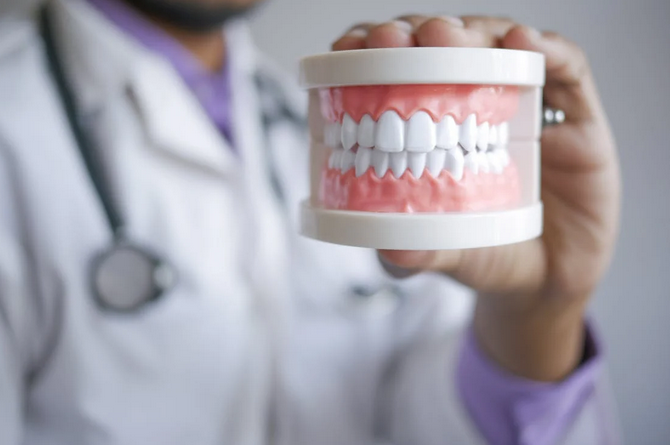
When dentures dry out, they can lose shape. Always keep them moist by soaking them overnight. Never store them in tissue or napkins. Why? They’re too easy to throw away by accident. A proper container with a lid keeps them safe, hydrated, and free from curious pets. Before putting them back in, rinse off the solution to avoid any chemical residue. It’s a small but vital step for both hygiene and comfort. Think of it like prepping your favorite pair of shoes—you wouldn’t wear them dirty, so why treat dentures differently?
Avoid Heat and Harsh Chemicals
Hot water might seem like a good idea for killing germs, but it can warp dentures faster than you’d think. Stick to lukewarm water instead. Similarly, bleach-based products can damage color and weaken materials. You want your dentures clean, not brittle or faded. If you need extra freshness, ask your dentist for a professional cleaning product recommendation. Most of them have seen every denture mistake possible and can guide you to safe solutions. Staying away from shortcuts protects both your dentures and your smile.
Mind Your Mouth Health Too
People often forget, it’s just nature. See, your gums still need care even if your teeth are artificial. Gently brush your gums, tongue, and the roof of your mouth each morning before wearing your dentures. This keeps bacteria under control and prevents irritation. If your dentures ever start to feel loose, don’t ignore them. That’s your mouth telling you something has shifted. Get them adjusted instead of trying to fix them yourself. Comfort should never come second to convenience.
Dentures give back something priceless. It’s your confident smile. Keeping them clean and comfortable isn’t complicated, but it does take consistency. A few careful steps each day prevent big issues later. Treat your dentures with respect, and they’ll return the favor with years of comfort and effortless smiles.…
Why Sleep Is Crucial for Reducing Belly Fat
Sleep plays a bigger role in weight management than most people realize. When the body doesn’t get enough rest, cortisol levels rise, which increases cravings for high-calorie foods and makes fat storage around the abdominal area more likely. Over time, this cycle of poor sleep and hormonal imbalance can lead to stubborn belly fat that is hard to get rid of, even with diet and exercise. Exploring effective lifestyle changes, such as ensuring balanced nutrition, trying relaxation techniques, and learning ways to manage belly fat caused by stress can help complement the benefits of good sleep. Establishing a consistent bedtime routine and prioritizing restorative rest ensures the body recovers properly, balances hormones, and supports healthier fat distribution. Without proper sleep, other weight loss strategies often fail to deliver lasting results.
Hormonal Balance and Fat Storage
One of the ways sleep affects belly fat is through hormone regulation. Sleep deprivation disrupts the balance of ghrelin and leptin, the hormones responsible for hunger and fullness. Too little rest increases ghrelin, which stimulates appetite, while lowering leptin, which signals satiety. This imbalance often leads to overeating, particularly cravings for high-calorie, sugary foods. Furthermore, poor sleep increases cortisol, a stress hormone linked to fat storage in the abdominal area. Over time, this hormonal disruption can make belly fat much harder to lose.
Metabolism and Energy Use
Getting adequate sleep also plays a significant role in maintaining a healthy metabolism. When the body is sleep-deprived, its ability to process glucose is impaired, leading to higher blood sugar levels and increased fat storage. A sluggish metabolism means that calories are burned less efficiently, which can contribute to weight gain around the midsection. By ensuring consistent, restorative sleep, the body can function optimally, converting food into energy rather than storing it as fat.
Impact on Exercise and Recovery

Sleep is essential for physical performance and recovery, both of which are critical for reducing belly fat. Without proper rest, energy levels drop, motivation decreases, and workouts tend to be less effective. Additionally, muscle repair and growth primarily occur during deep sleep stages. Stronger muscles burn more calories at rest, helping reduce fat over time. By skipping sleep, you limit your body’s ability to recover and build lean muscle, slowing down overall fat loss progress.
Cravings and Emotional Eating
Another hidden link between sleep and belly fat lies in how rest influences decision-making and cravings. When sleep-deprived, the brain’s reward centers become more active, making junk food more appealing. This often leads to late-night snacking and poor dietary choices, which directly contribute to belly fat accumulation. Consistent, high-quality sleep reduces the likelihood of impulsive eating and makes it easier to stick to a healthy diet plan.
Ways to Create Better Sleep Habits

Improving sleep quality doesn’t require drastic lifestyle changes. Simple adjustments, such as maintaining a regular sleep schedule, reducing screen time before bed, and creating a quiet, dark environment, can make a significant difference. Limiting caffeine and heavy meals late in the evening also supports better rest. By treating sleep as a non-negotiable part of a healthy lifestyle, you give your body the foundation it needs to burn fat more effectively.
Sleep is a critical but often overlooked factor in reducing belly fat. By supporting hormonal balance, boosting metabolism, improving exercise recovery, and reducing cravings, adequate rest creates the conditions for long-term fat loss. Without it, even the best workout and diet plans are less effective. Making sleep a priority is not just about feeling refreshed—it is an essential step toward achieving a leaner, healthier body.…
Cheat Day Done Right: A Pleasant Break That Still Moves You Forward
Cheat day gets a bad rap, yet it can be a pressure valve that keeps you consistent. Think of it as a planned detour, not a food hurricane. In this plan, you’ll see how to enjoy the treats while keeping progress humming, with a nod to the nutritional habits of dedicated athletes. No fluff, just working advice you can use this weekend.
What a Cheat Day Really Does
First, the mental side. A scheduled indulgence lowers “diet fatigue,” which trims the chance of a late-night free-for-all. That pause keeps motivation intact and makes Monday easier to face. Consistency wins, and a calm mind helps you stick with the basics. Now the body. A brief bump in calories and carbs can refill glycogen and perk up training. That benefit appears most in people who have been in a steady deficit. It’s a small, useful nudge—nothing mystical or unique.
Timing and Portion Rules That Work

Place the treat window on a hard training day, or the day after one. Start earlier in the day so appetite hormones don’t run the show at midnight. Keep protein high at each meal to blunt hunger and protect muscle. Use a plate rule to stop the “eyes bigger than stomach” effect. Half the plate fun carbs, a quarter lean protein, a quarter produce, plus a small extra you truly crave. Eat seated, phone down, with water nearby to help pacing and digestion. This simple structure helps ensure you stop at satisfied, not stuffed.
Smart Picks That Still Feel Naughty
Anchor each treat with protein. Examples that play nice with recovery: a burger with lean beef and a real bun, thin-crust pizza with chicken and veggies, sushi with extra sashimi, and pancakes topped with Greek yogurt and fruit. These choices taste like a party and still feed tomorrow’s workout. Dessert strategy matters. Go for single-serve items, or split big portions. Add volume with berries or a small scoop of frozen yogurt to stretch satisfaction.
Signs Your Cheat Day Is Backfiring

You wake puffy, sleep went sideways, or your morning heart rate spikes. You feel ravenous the next day and keep chasing sugar. Those are red flags to shrink the window, raise protein, and add more produce to the plate. Another clue: the scale jumps more than expected and stays high for more than two days. That suggests too much sodium and too little structure. Tighten portions next time, and consider swapping one big blowout for two smaller “treat meals.” For extra inspiration, compare your plan with what bodybuilders eat in a day and borrow the parts that fit your life.
Reset and Carry On
End the day with a normal, protein-forward dinner. Hydrate, walk 10–20 minutes, and prep breakfast for tomorrow so momentum returns by breakfast time. Progress is an average, not a single meal. Keep notes for two or three cycles. Track sleep, workout quality, hunger, and mood. That’s how you turn a treat into a tool.…
Ways to Improve Bladder Function
Bladder health is an important aspect of overall well-being, especially as people age, yet it’s often overlooked until problems arise. From frequent urges to incontinence, bladder issues can affect confidence, comfort, and quality of life. According to insights from 50 Plus, simple lifestyle adjustments such as staying hydrated, strengthening pelvic muscles, and avoiding bladder irritants can make a significant difference in maintaining control and function. Incorporating these habits consistently not only supports better urinary health but also reduces the risk of long-term complications. Understanding how to care for your bladder can empower individuals to take proactive steps toward a healthier, more independent lifestyle.
Staying Hydrated with Balance
 Proper hydration is key to bladder function. Many people mistakenly cut back on fluids to reduce bathroom visits, but dehydration can actually irritate the bladder and worsen symptoms. Drinking enough water throughout the day keeps urine diluted, reducing the risk of infection and irritation. However, it’s important to avoid overconsumption and to limit beverages that can aggravate the bladder, such as caffeine, alcohol, and carbonated drinks. Striking the right balance supports both hydration and bladder control.
Practicing Pelvic Floor Exercises
Strengthening the pelvic floor muscles is one of the most effective ways to support bladder health. Exercises like Kegels improve muscle control, reduce leakage, and help the bladder empty more efficiently. Consistency is essential, as regular practice leads to noticeable improvements in bladder strength and function over time. These exercises can be done discreetly, making them an accessible option for anyone seeking better bladder control.
Maintaining a Healthy Diet

Diet plays an important role in bladder health. Foods that are overly spicy, acidic, or processed can irritate the bladder lining and trigger urgency or discomfort. A balanced diet rich in fruits, vegetables, and whole grains supports overall urinary health. Fiber intake is especially important, as constipation can place added pressure on the bladder, leading to dysfunction. By making mindful dietary choices, individuals can reduce triggers and promote better bladder performance.
Training the Bladder
Bladder training involves setting a schedule for bathroom visits to gradually increase the time between urination. This technique helps the bladder hold more urine comfortably and reduces the urge to go too frequently. It requires patience and consistency, but over time, it can significantly improve bladder control. Pairing bladder training with relaxation techniques may further help reduce urgency and anxiety around bathroom use.
Managing Weight and Physical Health
 Excess body weight can place extra pressure on the bladder and pelvic floor muscles, contributing to leakage and urgency. Regular physical activity and healthy weight management help reduce this pressure and improve bladder control. In addition, avoiding habits like smoking can reduce coughing-related strain on the bladder, while addressing chronic conditions such as diabetes can minimize bladder complications.
Improving bladder function requires a combination of healthy habits, muscle strengthening, and mindful routines. By staying hydrated, practicing pelvic floor exercises, eating a balanced diet, training the bladder, and maintaining overall physical health, individuals can enhance bladder performance and reduce discomfort. These strategies not only support daily comfort but also promote long-term urinary health and overall well-being.…
Seafood vs. Red Meat: Which Is Better for Your Health?
When it comes to our diets, the choices we make can feel overwhelming. Two staples that often take center stage are seafood and red meat. Both have their devoted fans, but how do they stack up against each other in terms of health? Are you getting enough nutrients from one over the other? As we dive into this culinary showdown, we’ll explore not just what’s on your plate but also what these proteins bring to the table for your overall well-being. So whether you’re a seafood lover or a red meat enthusiast, let’s unravel the nutritional mysteries behind these two powerhouse food groups.
Nutritional Value of Seafood and Red Meat
Crabs and fish are often hailed for their high-quality protein and low-calorie content. Rich in omega-3 fatty acids, it supports heart health and cognitive function. Fish like salmon and sardines are particularly beneficial, providing essential nutrients while being lower in saturated fat compared to many types of meat. Red meat offers a different nutritional profile. It’s an excellent source of iron, zinc, and B vitamins, which are vital for energy production and immune support. However, the type of red meat matters. Lean cuts can be healthier options than processed varieties.
Health Benefits of Seafood
Seafood is packed with nutrients that support overall health. Rich in omega-3 fatty acids, fish like salmon and mackerel can lower the risk of heart disease. These healthy fats also promote brain function, potentially reducing cognitive decline as we age. The high protein content found in seafood helps build and repair tissues. It’s an excellent option for those looking to maintain muscle mass while enjoying a lighter meal. Moreover, seafood offers essential vitamins and minerals such as vitamin D, B12, iodine, and selenium. These nutrients are crucial for maintaining energy levels and supporting thyroid function. Regular consumption may enhance mood too. Some studies suggest that omega-3s play a role in alleviating symptoms of depression and anxiety.
Health Risks of Red Meat

Red meat has been a staple in many diets around the world. However, concerns about its health implications have been rising. Studies suggest that high consumption may be linked to various health issues. These include heart disease, certain cancers, and type 2 diabetes. The saturated fat found in red meat can contribute to increased cholesterol levels. Processed meats pose additional risks. Items like bacon and sausages often contain preservatives such as nitrates, which have been associated with cancer risk. Cooking methods also play a role. Grilling or charring red meat can produce harmful compounds that may further elevate health risks.
Environmental Impact of Seafood and Red Meat Production
Seafood and red meat production carry distinct environmental footprints. Seafood, while often perceived as a more sustainable option, can still lead to significant ecological issues. Overfishing depletes marine populations and disrupts ecosystems. Unsustainable fishing practices harm coral reefs and other vital habitats. On the other hand, red meat has a hefty impact due to land use and greenhouse gas emissions. Cattle farming requires vast amounts of water and feed, contributing to deforestation in some regions. The methane produced by livestock is particularly concerning, as it significantly contributes to climate change.
Sustainable Choices When Consuming Seafood and Red Meat

Making sustainable choices can significantly impact our health and the planet. When it comes to seafood, opt for products certified by organizations like the Marine Stewardship Council. These ensure that fishing practices are environmentally friendly. For red meat, consider sourcing from local farms that prioritize the humane treatment of animals and sustainable farming methods. Grass-fed beef often has a smaller carbon footprint compared to conventional practices. Look out for seasonal selections as well. Eating fish in season ensures you’re supporting populations at healthy levels while enjoying fresher flavors.
Maintaining a balanced diet is crucial for overall health and well-being. Incorporating a variety of foods ensures that you receive the necessary nutrients your body needs to function optimally. Both seafood and red meat can play significant roles in this balance, each offering unique benefits. Seafood provides essential omega-3 fatty acids, which are vital for heart health and cognitive function. It’s also packed with high-quality protein and important vitamins like B12. On the other hand, red meat is rich in iron, zinc, and vitamin B6 – all of which contribute to energy levels and immune support.…
Understanding the Responsibilities and Duties of a Home Health Aide
Today, we are diving into the world of home health aides and shedding light on their crucial responsibilities and duties. Whether you’re considering a career in this field or you’re simply curious about the role these dedicated professionals play in providing care for individuals in need, this article will give you a comprehensive understanding of what it takes to be a home health aide. Home health aide manhattan is ideal if you are looking for the best for your loved one. So, let’s get started and explore the rewarding world of caregiving.
Providing Personal Care
 When it comes to providing personal care, home health aides play a vital role in ensuring the well-being and comfort of their clients. They assist with tasks such as bathing, grooming, and dressing, helping individuals maintain their personal hygiene and appearance. In addition to physical care, home health aides also provide emotional support to their clients. They build trusting relationships and create a safe space for open communication. This allows them to understand the unique needs and preferences of each individual under their care. Personal care also extends beyond the basic necessities.
Assisting with Mobility
One of the important responsibilities of a home health aide is to assist clients with their mobility. This can include helping them move from one room to another, getting in and out of bed, or using a wheelchair or walker. Mobility issues can be challenging for individuals who are aging or have physical disabilities, but with the help of a home health aide, they can maintain their independence and improve their quality of life. A home health aide may provide physical support by offering stability while walking or transferring from one surface to another. They may also assist with exercises and stretches prescribed by therapists to improve strength and flexibility.
Administering Medication
 One of the crucial responsibilities of a home health aide is administering medication to patients. This task requires precision and attention to detail, as it directly impacts the well-being of individuals under their care. When it comes to medication administration, home health aides must possess a thorough understanding of different medications and their proper dosages. They need to be knowledgeable about potential side effects or interactions that may occur. Following healthcare providers’ instructions meticulously ensures that patients receive the right medications at the prescribed times.
Monitoring Vital Signs
As a home health aide, one of the important responsibilities is to monitor your clients’ vital signs. This involves keeping track and recording their blood pressure, heart rate, temperature, and respiratory rate. By monitoring these vital signs regularly, you can help identify any changes or abnormalities that may indicate potential health issues. Regularly checking a client’s blood pressure is crucial as it can provide valuable information about their cardiovascular health. High or low blood pressure levels could be indicative of underlying conditions such as hypertension or hypotension. Heart rate is another vital sign that should be monitored.
Assisting with Meal Preparation and Feeding
 When it comes to the responsibilities of a home health aide, assisting with meal preparation and feeding is an essential task. Many individuals who require home healthcare assistance may have difficulty preparing meals or have specific dietary needs that must be met. As a home health aide, it is your role to ensure their nutritional needs are being addressed. Meal preparation involves planning, cooking, and serving balanced meals based on the client’s preferences and any dietary restrictions they may have. This can include chopping vegetables, cooking proteins, and ensuring proper portion sizes.
The responsibilities and duties carried out by home health aides are invaluable in improving the lives of those who require support at home. Their dedication helps enhance overall well-being while allowing individuals to maintain dignity and independence within the comfort of their own homes. We hope that you have found this blog post helpful.…
How CBD Can Improve Your Health in The Long Run
Cannabidiol, or CBD for short, is a natural compound that has been shown to have some incredible health benefits. Unlike its cousin tetrahydrocannabinol (THC), CBD does not produce any psychoactive effects. This means that you can reap the benefits of CBD without feeling “high.” In this post, we will also discuss how CBD can improve your health in the long run also.
It Can Relax Your Tense and Sore Muscles
 Some athletes use CBD as a way not only to relax their muscles but also to increase the recovery time after a workout. CBD is so effective for this because it can help reduce inflammation in your body. If you have ever experienced muscle soreness, then you know that it can be pretty painful! This pain often comes from overworked and inflamed muscles. You can help reduce this inflammation and improve your overall recovery time by taking CBD.
It Can Help Reduce Anxiety and Depression
Anxiety and depression are two of the most common mental health conditions in the United States. CBD is an effective treatment for both of these conditions. A study published in The Lancet found that CBD was as effective as antidepressants in treating depression. CBD can help reduce anxiety by reducing the amount of cortisol, a stress hormone produced in your body.
It Can Help Reduce Inflammation
 CBD is an effective anti-inflammatory agent. This is important because chronic inflammation is linked to many serious diseases such as cancer, heart disease, Alzheimer’s, and more. In fact, CBD has been shown to reduce inflammation in the body by up to 50%. By reducing the amount of inflammation in your body, you can improve your overall health long term!
It Can Improve Your Sleep Quality
One of the most common symptoms associated with insomnia is trouble falling asleep or staying asleep. CBD has been shown to be an effective treatment for both of these problems. In fact, a study published in the Journal of Clinical Sleep Medicine found that taking CBD before bed improved sleep quality by 65%. This is because CBD can help reduce anxiety and stress, two common causes of insomnia.
The Bottom Line
So, there you have it! Some of the ways that CBD can improve your health in the long run. If you are interested in trying CBD, be sure to talk to your doctor first. They can help you find the correct dosage and type of CBD for you. Thanks for reading.…
The Ultimate Guide to Fat Burning Supplements
Fat-burning supplements are a great way to lose weight, but the market is saturated with products claiming their fat burners are the best on the market. You may refer to the latest customer reviews on Java Burn to see its proven slimming result. The first question you should be asking yourself is whether or not the ingredients used in a weight loss supplement are safe for your body to consume regularly. You want to purchase supplements that use natural, healthy, and clinically-tested ingredients because they’re less likely to cause side effects than those which contain unnatural chemicals. The next step is determining whether or not a supplement has helped others lose weight and maintain their figure for an extended period. If it’s working well for others, then there’s no reason why you can’t benefit from it as well! So how do you know which one to take? We’ve compiled a list of our top 10 favorite fat burners for you!
Leanbean
Leanbean is a weight loss supplement that claims to help you lose an extra 12 pounds per month. Unfortunately, this product also contains ingredients linked with dangerous side effects and unreliable results. With its proven formula, Leanbean is a great product that can help you healthily lose weight. You must try this supplement if you are looking for a safe and effective weight loss solution.
PhenQ
 PhenQ is one of the best-selling weight loss supplements on the market. With this fat-burning supplement, you can expect to experience appetite suppression, improved mood and energy levels, increased metabolism, faster weight loss results. This is also proven effective in burning fat, boosting energy levels, and suppressing the appetite. Since phenQ is not habit-forming or addictive, you can expect that your weight loss journey will go smoothly with this supplement. If you are looking for a dietary supplement that provides all of these benefits without any health risks associated with it, then PhenQ may be what you are looking for.
Instant Knockout
Instant Knockout is one of the most popular fat-burning supplements on the market, particularly among people looking to get ripped for summer. It has received hundreds of positive reviews and ratings from users across the internet. But how does it work? Does Instant Knockout help you burn off your love handles in just a few weeks? Is it safe and effective? Or is it just another fat burner that claims to work but doesn’t deliver on its promises? We decided to put this popular supplement to the test ourselves, so we bought a bottle of Instant Knockout for research purposes.
KetoCharge
A KetoCharge fat-burning supplement is an excellent option for people who want to lose weight. This supplement provides your body with the necessary energy boost while also speeding up your metabolism, so you burn through more calories throughout the day. Its natural ingredients are safe and effective, making it an excellent choice compared to other supplements on the market.
I hope this guide has been helpful to you in making an informed decision about which supplements are best for your needs. If you still have questions, please get in touch with us and we will be happy to help! We can also provide a list of qualified nutritionists who specialize in weight loss if that’s what you need.
…
Understanding GERD, Their Symptoms, and How to Cure It
Have you ever felt that unpleasant feeling of wanting to vomit after coughing several times? If you have, then my friend, you probably have an acid reflux problem. Acid reflux coughing, also known as gastroesophageal reflux disease or GERD for short, can lead to serious health problems if left untreated, such as an inflamed esophagus, swallowing difficulties, asthma, dental problems, heartburns, and pneumonia. Sounds pretty bad, right?
There are several ways for us to spot GERD, with chronic cough being one possible symptom, so if you or anyone else that you know coughs a lot and sometimes may end with barfing, then you should get them to a hospital to be diagnosed with medical professionals if they have GERD or not.
How Does GERD and Chronic Coughing Link Up

Coughing is pretty normal, which I’m sure everyone has experienced at least once or twice in their lives. However, when you see someone coughing up a lot that resulted in them vomiting back their lunch, then chances are they have GERD. Most people who have chronic cough that leads to GERD are pretty high, hitting at about 25 percent out of every reported case. Here are several symptoms that could detect if GERD induces chronic coughing:
- Persistent coughing after eating a meal
- Coughing often at night
- Incessant coughing when laying down
- No smoking involved, yet keep coughing
- Have no history of asthma or postnasal drip yet keeps coughing
These symptoms could serve as potential lead to whether a person you know has GERD or not when they cough but getting an accurate diagnosis could be a hassle because coughing is such a common symptom that can be linked with almost every health condition in existence, e.g., asthma, postnasal drip, common cold, flu, viral laryngitis, you name it, coughing potentially is one of the symptoms.
How to Check for GERD

The best way to know for sure if you have GERD is by going to a gastroenterologist, which is a physician that specializes in dealing with your internal organs such as the esophagus, stomach, small intestine, colon, pancreas, and so on. The usual procedure is to ask you several questions pertaining to your lifestyle, eating habits, sleep cycle, etc., then run a few tests like the EGD or pH probe to evaluate your symptoms completely.
Once they get all the data they need, they can provide you with an accurate diagnosis and recommend the next steps toward recovery and prescribe you the medications you need to treat it, i.e., Nexium, Prevacid, and Prilosec.
The Bottom Line
If you feel like you have GERD because of your chronic coughing, you should seek counsel from a gastroenterologist to run a complete test and get the result to save you from other health complications. So, get your test result and the medication you need to recover from GERD today!…
How to Choose the Right Eye Specialist
The eyes are among the most precious sense organs. Therefore, it is advisable to consider seeing a professional eye doctor if you have an eye problem. Dr Cameron is one of the experienced eye surgeons who can solve eye-related issues. In other words, it is essential to understand that regular eye examination and timely treatment are among the perfect ways to protect your vision.
When you have an eye issue, you need the services of a professional eye consultant to get the expected results. In other words, with the help of an experienced eye surgeon, you will minimize the chances of having a permanent vision loss due to a severe eye condition. Also, you will maintain good eyesight. The following are some of the factors you need to consider when choosing the right eye specialist.
Referrals
 Since eye-related issues have become very common, finding a certified or experienced eye doctor can be challenging. That is why you need to seek referrals from some people you trust to make the right and recommended choice. In addition, you need to ask your family members, relatives, neighbors, and close friends for recommendations.
Depending on the information you receive concerning various surgeons, ensure you take your time to research before making the right choice. Also, your general physician can refer you to the best eye specialist in your region.
Credentials
As mentioned at the start of this post, the eye is one of the critical organs in your body. When having an eye issue, you need to ensure you have chosen the right experts to solve it professionally. That is why hiring a certified, and trained eye surgeon is essential. Before making your selection, you need to identify their credentials to ensure you deal with a professional and skilled eye surgeon.
Specialization
When hiring an eye surgeon, you need to remember that not every eye professional is a surgeon. You need to dig further into this process and understand that you need to know two main types of eye professionals. Therefore, ensure you identify your eye problem to know the right surgeon you need to hire.
Experience
Lastly, you need to consider the eye specialist’s experience before making your decision. Apart from the credentials, it is crucial to remember that the experience of a surgeon matters. That is why you need to check the background of an intended surgeon and check the years they have been in operation. Ensure you hire a surgeon with more than five years to receive better benefits.…
Understanding the Structure of Magic Mushrooms
There are dozens and even hundreds of myths about hallucinogenic mushrooms, which are often used in humorous overtones. People do not believe in the abilities of such fruiting bodies or take them for guaranteed entertainment and rest. The psilocybin gifts of the forest do exist, and there is little funny here.
 They have a positive effect on the user, give them pleasure and an unforgettable pleasant experience, but do not forget about the likelihood of unpleasant consequences such as terrible hallucinations, mental clouding. You can also find them being sold online in some places.
Buying magic mushrooms from a reliable online dispensary is the safest way to get psychadelics. Experienced mushroom eaters know the peculiarities of psychedelics and understand how to evoke extremely pleasant sensations. Beginners should taste them with care and a willingness to take risks.
The Structure and Features of Psilocybin Mushrooms
Basically, magic mushrooms stand on a tall, thin stalk called a stalk. The cartilaginous and fibrous stem can stretch up to 10 centimeters upward, not exceeding half a centimeter in diameter. Their hat is small in size, elongated in a conical shape. The middle of the cap is pointed, the diameter is less than 2 cm. As a rule, the edges at the “head” are bent inward and cover the lamellar hymenophore descending to the peduncle.
 Thin frequent plates are colored in light shades, as they develop, they darken. The plates harbor brown or purple spores, the shape of which resembles a grain or an ellipse. Thanks to the spore impressions of psilocybin mushrooms, new mushroom offspring can be obtained without difficulty. The color of the hat is unpredictable: it can match the color of the leg or, conversely, be completely different. The bodies are often olive, reddish, or yellowish.
It is difficult to touch by touch that it is a magic mushroom in front of you. They are perfectly dry and smooth, wet and slimy and even velvety. The surface of the fruit body, like the color, depends on the place of its breeding, humidity, temperature conditions, the intensity of the light source and the general microclimate on the plot.
Conclusion
Now you are convinced that understanding mushrooms is not only interesting, but also vitally important if there is no desire to die. When collecting magical samples, be sure to pay attention to the smallest details that distinguish them from inedible duplicates. In order to protect yourself as much as possible from the onset of negative effects after tasting randomly collected poisonous individuals, order spore impressions of psilocybin mushrooms from reputable online stores.…
What Are the Health Benefits of Magic Mushrooms?
Magic mushrooms are considered to be among the most potent natural psychedelics, and they are usually associated with vivid hallucinations and tripping. However, they also come with lots of benefits and some interesting effects that are still being researched for verification. You can order shrooms online through these guys and get them easily delivered without any hassle.
There are hopes that many beneficial factors will be discovered and lots of possibilities it offers in helping people unlocked. We will be looking at some of the health benefits you will get from magic mushrooms.
Helps in Fighting Depression
 The mushrooms contain psilocybin, an active ingredient that offers spiritual and cultural bedrock of many progress signs. According to neuroscience, concerning the use of the mushroom and how it interacts with the brain’s serotonin receptors, it helps produce a series of consciousness-altering effects. It also suggests how the mushrooms can be of great importance when curing mental health and depression. Curing depression is one of its primary purposes.
Stimulates New Brain Cells Growth
There is a chemical in mushrooms helps in the growth of new brain cells. It assists the brain in overcoming fear and helps in promoting neurons’ growth. The neurons play an integral part in brain cell regeneration. With the new brain cells’ support, the brain will get more active and gain lots of power to learn, memorize, and relearning particular measures. It also helps in reducing the stimuli threat that might be affecting the cells of the brain.
Improves Openness and Other Lively Personalities
 Humans are always born unbolted, free, and full of tenderness. The qualities enable them to grow, learn, making them more eager to connect as a sentient being. In recent scientific studies, it was discovered that mushrooms also played an essential role in assisting human beings to be more open, kind, and help them grow and connect.
After a series of high dose psilocybin sessions, the researchers did note a significant increase in openness. Openness helps signify an individual’s traits and is always used to view any new occurrence. It also helps in improving creativity and imagination levels.
Most people are not aware of these great benefits that magic mushrooms offer and their roles in curing particular conditions. Before you take magic mushrooms, you need to know what health benefits to expect from them.…
GERD Treatment: Treating the Underlying Conditions First
Acid reflux or heartburn is a common digestion disorder which manifests itself through regurgitation of food from the stomach upwards through the food pipe to the mouth. It is also called gastroesophageal reflux disease or simply GERD. After a meal, one feels like food is coming back into the mouth. As this food moves up the food pipe into the mouth, it creates burning chest pains. If you have the symptoms of acid reflux, there’re three conditions to think about before going straight to treating the disease. These conditions include gastroparesis, gastric motility, and pyloric outlet obstruction. If you are suffering from acid reflux, get more insights into the treatment of this disorder from Refluxgate’s interview with Dr. Noar before you visit your doctor.
Gastroparesis
This is a situation where a person feels full all the time after taking a meal. The stomach is bloated, and apart from a suppressed appetite for food, a person feels like vomiting. This is caused by delayed emptying of the stomach contents. For healthy individuals, food stays in the stomach for a maximum of 4 hours. If your stomach feels full after four hours of taking a meal, your stomach is emptying slower than usual. This can lead to acid reflux because it may cause the malfunctioning of both the lower esophageal sphincter and the pylorus.
Gastric Motility
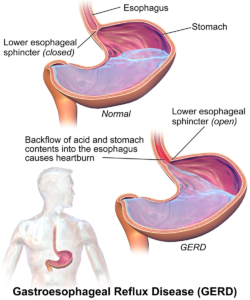 Gastric motility or stomach movements have a significant impact on the ability of the stomach to digest food and pass it on to the next level, which is the large intestines. On a good day, the stomach muscles contract and relax, expelling food materials into the intestines after a short time, typically four hours after taking a meal. Food moves only downwards thanks to the functioning of the lower esophageal sphincter. When this sphincter malfunctions, the stomach does not build enough pressure to propel food downwards into the intestines, forcing some of the food materials to move upwards. This causes acid reflux. Clearly, gastric motility can cause acid reflux. The reverse is true as well, since acid reflux from other causes may also inhibit stomach muscle movements. Therefore, before you are treated for GERD, your doctor should also confirm whether you have gastric motility or not. If you have it, it should be treated first.
Pyloric Outlet Obstruction
Functional outlet obstruction is another condition that is intimately related to acid reflux. Pylorus is a sphincter at the bottom of the stomach that opens to allow the stomach to empty its contents into the intestines. Sometimes, this sphincter may fail to open because of a blockage or obstruction. During these times, the stomach muscles contract and relax normally to propel the food into the intestines but there is no way out. Obstruction of the pyloric sphincter leads to build up of pressure in the stomach. At some point, this pressure is too high for the lower esophageal sphincter to prevent backflow of food. It later succumbs to excessive pressure, and it is forced open to allow food to move back into the esophagus leading to acid reflux.
In summary, proper diagnosis of acid reflux requires testing these three conditions to confirm whether they are present or not. These conditions are tested by performing tests such as gastric emptying tests and electrogastrography.…
How to Increase Penis Size Naturally
It is vital to note that almost all men have a standard size penis. But many young men are more concerned that their penis is too small or too short. At some point, many can believe this because they have compared themselves with classmates or friends in a locker room or a standard shower.
It is crucial to understand that the penis reaches adult size over many years during the puberty stage. For those boys who do not mature quickly are not likely to get an adult-size penis until late in the adolescence stage. Due to this reason, it might cause anxiety and make most of the young boys feel as though they have an abnormally small penis.
A man’s penis may change size depending on various factors. But also, if you want to enlarge your penis, make sure that you know the best methods you need to consider. There are tools out there that can offer you with the best information you need. Below are some of the best ideas on how to increase penis size naturally.
Penis Pumps
A penis pump is one of the best ways you can use to acquire the right size you need. It is a non-surgical way to increase erection and size. But many people are not sure whether this option works. This option works, and many couples can agree to testify.
 A penis pump consists of a pump-device that is attached to a cylinder and then helps most men who have erectile dysfunction to achieve and maintain an erection. Make sure that you read the instructions to know how you will use a penis pump.
Stretching Exercises
Various stretching exercises can help you to acquire the penis size you want. Manual stretching exercises involve using your hand to massage the area along the length of your penis. In other words, you are asked to stretch the skin and make your penis look longer. You need to note that some exercises claim to enhance girth.
Pop a Pill
Can you pop a pill to get a bigger penis? There are plenty of tablets at the market that can help you to get a bigger penis. If you have decided to use pills, make sure that you gather enough advice from your professional doctor. However, consider choosing a medicine that has got the best ingredients.…
Importance of Going to Your Gynecologist
Know about your period and menstruation cycle
 As a woman, our reproduction system is a big part of our life. Before you can take care of it, you must first understand more about your body and what you need to expect. It is hard to confirm which information that you read on the internet that is wrong or right, and what you heard from your teacher will not be enough as well. Going to the expert who is a gynecologist will make sure that you get the idea of everything that you need to know about your Vagina. Getting used to taking care of it and paying attention to the cycle is crucial for your gynecologist as well, everyone is a little bit different, to pinpoint what is normal for you is needed so the doctor can compare and identify if anything unusual ever happen. Go to ginekoloska ordinacija beograd to book your appointment as soon as possible.
Prevent any diseases
From cervix cancer to sexually transmitted diseases, you want to watch out for many things and keep your body healthy. The right way to know about the illnesses and the preventions that you need to do is to get the information from someone who spent years studying and practicing their medical degree on the matter. A routine check to the gynecologist can help to maintain your vaginal health because if anything is alarming the doctor can prevent it to get worse from the early stage.
Consult about safe sex
 Eventually, you will start having sex. And aside from who you choose to have sex with and you feel about it, what is essential and should be your primary priority is making sure that is safe. You must be sure about your partner’s history and current condition but using a condom is always the best choice for protection. Unplanned pregnancy is something that you want to avoid as well since it is unwise to bring a child into this world if you are not expecting. Every girl will have their preferences when it comes to birth control and understanding each option can help you to make a better decision.…
How To Choose a Cosmetic Dentist
It is a desire of every individual to have a good smile which makes them look younger and smart. But at times you may not experience the good smiles, and hence you end up feeling frustrated and embarrassed. You no longer have to undergo this trauma with the new technology of enhancing your smile. Your smile will be affected once you experience dental complication s which may disfigure your tooth structure. However, with dental cosmetic, you can now regain your smile back after the procedure.
Dental cosmetic is a procedure done to help in the whitening of teeth, dental fillings, dental implants, reshaping your dental gum line and also dental bonding. Any of these procedures will help you regain your smile back. Currently, there has been demand for dental cosmetics and this reason. Many dentists are offering this services. However not all the dentists are qualified to offer tie service. For this reason, you will need to know how you can identify a good dental cosmetic dentist. You can follow the criteria below to have a successful selection.
Ask for referrals
When you want to have a good dental cosmetic procedure, you can ask for recommendations from the people you trust. You can ask for their recommendations of the dentists whose services they have received. Never should be referred to a dentist who has not offered services to the person referring to you. Ensure the individual explains the kind of service he or she received from the dentists. You should also ask for recommendations from people who had the same complication as you.
Check for licensing and certification
 Some dentists who offer dental cosmetic services are not qualified, and they can end up endangering your life. To avoid falling prey to such individuals you should check whether the doctor who is performing dental procedures on you is licensed and certified. Licensing you should be given to show the dentist is eligible to offer the services and certification will show the dentists is qualified. A dentist who does not have these two documents should not offer dental services to you.
Consider the reputation of the dentist
To determine whether the dentist has been offering excellent dental services you will need to understand the reputation of the dentist. Ask on whether the dentist has been able to offer successful dental cosmetic procedures. You should put your ears on the ground and also know what people are saying about the dentist. On the other hand, if the dentist has a website you can look for reviews he or she has received from other patients. Positive reviews will indicate the dentist is good in offering dental services.…